
The great beauty reset: Why more Kenyans are removing tattoos, eyebrows and gel nails
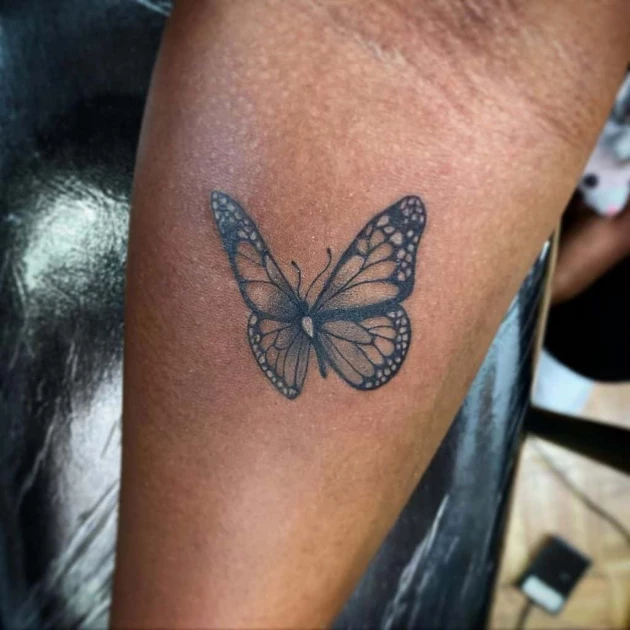
A file photo of a tattoo on someone's hand.

Audio By Vocalize
Most people can laugh about the questionable decisions they made in their late teens or early 20s. A disastrous haircut grows back. A questionable fashion choice is eventually confined to old photographs. But some decisions were never meant to fade so easily.
There was the university romance that inspired matching tattoos, only for the relationship to end months later. There were the permanently tattooed eyebrows that perfectly matched the beauty trend of the day, only for fashion to move on and leave their owners looking trapped in another era. And then there were the gel nails that became a monthly ritual but are now giving way to a growing appreciation for natural nails.
For years, the beauty industry largely thrived on helping people add something to their appearance. Today, a quieter trend is taking shape across Nairobi. Increasingly, people are paying to remove, reverse or undo the beauty decisions they once embraced, creating a growing market for laser tattoo removal, eyebrow tattoo correction and natural nail restoration.
A quick scroll through Kenyan Instagram and TikTok pages reveals just how much the industry has evolved. Clinics post dramatic before-and-after videos showing tattoos fading session by session. Beauty specialists document the gradual removal of old eyebrow tattoos before reshaping them into softer, more natural brows. Nail technicians showcase clients abandoning years of acrylics and gel polish as they begin what many now call their "natural nail journey."
It is a striking shift. Rather than selling the promise of permanent beauty enhancements, many businesses are now selling something else entirely: second chances.
Tattoo regret appears to be one of the biggest drivers of the trend. While tattoos have become increasingly mainstream over the past decade, many people later find themselves wanting to erase reminders of former relationships, youthful impulsiveness or designs that no longer reflect who they are. In one video shared by a Nairobi laser removal clinic, a woman recounts getting a tattoo because of peer pressure when she was younger. Years later, she regretted the decision and said discovering laser removal gave her hope that what once felt permanent did not have to remain that way. Similar videos have attracted hundreds of comments from people asking about the pain, cost and likelihood of completely removing unwanted ink.
Unlike the myths that still circulate online, modern tattoo removal does not involve cutting away the skin. Most reputable aesthetic clinics in Kenya use Q-switched or picosecond laser technology. The laser delivers concentrated pulses of energy that break tattoo pigment into tiny particles, which are then gradually cleared away by the body's immune system over time.
The process requires patience. Most tattoos cannot be removed in a single appointment, with clients typically undergoing several sessions spread weeks apart. The number of treatments depends on several factors, including the colour of the ink, how deeply it was placed, the age of the tattoo and individual skin characteristics. Black ink is generally the easiest to remove, while colours such as green and yellow often prove more stubborn. Even with advanced technology, specialists caution that complete removal cannot always be guaranteed.
The same technology is increasingly being used for another form of beauty regret: eyebrow tattoos.
Beauty standards have never stood still. Thin eyebrows once dominated fashion before fuller brows became the preferred look. Later came microblading, powder brows and heavily defined arches. For those who opted for permanent cosmetic tattooing during earlier trends, changing fashions have left some searching for ways to soften or erase old work. Nairobi aesthetic clinics now routinely advertise eyebrow tattoo removal alongside tattoo removal, with many clients choosing either to return to their natural brows or begin again with a shape that better suits current preferences.
The broader shift towards simplicity is also visible in nail salons.
After years of elaborate nail extensions and long-lasting gel manicures, some clients are choosing to remove artificial enhancements altogether and focus on growing healthier natural nails. Kenyan beauty creators increasingly share videos documenting their progress after removing gel polish, while salons now market nail rehabilitation treatments alongside traditional manicure services.
The move has also been fuelled by conversations on social media about the long-term effects of frequent gel manicures. Some posts have suggested that ultraviolet lamps used to cure gel polish may interfere with hormones or cause serious health problems. Those claims, however, are not supported by strong medical evidence.
Dermatologists instead point to more established concerns. Repeated gel manicures, particularly when removal is done aggressively, can temporarily weaken or damage the nail plate. The ultraviolet lamps used during gel manicures emit ultraviolet A (UVA) radiation, but experts generally describe the risk from occasional exposure as low. For people who receive gel manicures frequently, dermatologists recommend practical precautions such as applying sunscreen to the hands before appointments or wearing UV-protective gloves with the fingertips exposed. They also advise giving nails occasional breaks from artificial enhancements to allow them to recover naturally.
Perhaps what is most fascinating about this emerging trend is what it says about changing attitudes towards beauty itself.
For years, beauty marketing centred on adding more: fuller lashes, thicker brows, brighter smiles and permanent ink. Increasingly, however, consumers appear to be embracing restraint. Natural nails are fashionable again. Softer brows are replacing heavily tattooed arches. Tattoos, once seen as lifelong commitments, are increasingly viewed as decisions that can be reconsidered.
For Nairobi's beauty industry, that change has quietly opened an entirely new market. Businesses are finding opportunity not only in helping people reinvent themselves, but also in helping them rewrite decisions they once thought they would have to live with forever.
Join the Discussion
Share your perspective with the Citizen Digital community.
No comments yet
This discussion is waiting for your voice. Be the first to share your thoughts!