
Year-in-Review: Inside Kenya’s toughest race – The fight against doping

Audio By Vocalize
For Kenya, 2025 was about more than medals. It became a year
of reckoning, defined by pressure, scrutiny, and uncomfortable truths as the
country confronted its most serious challenge off the track — doping.
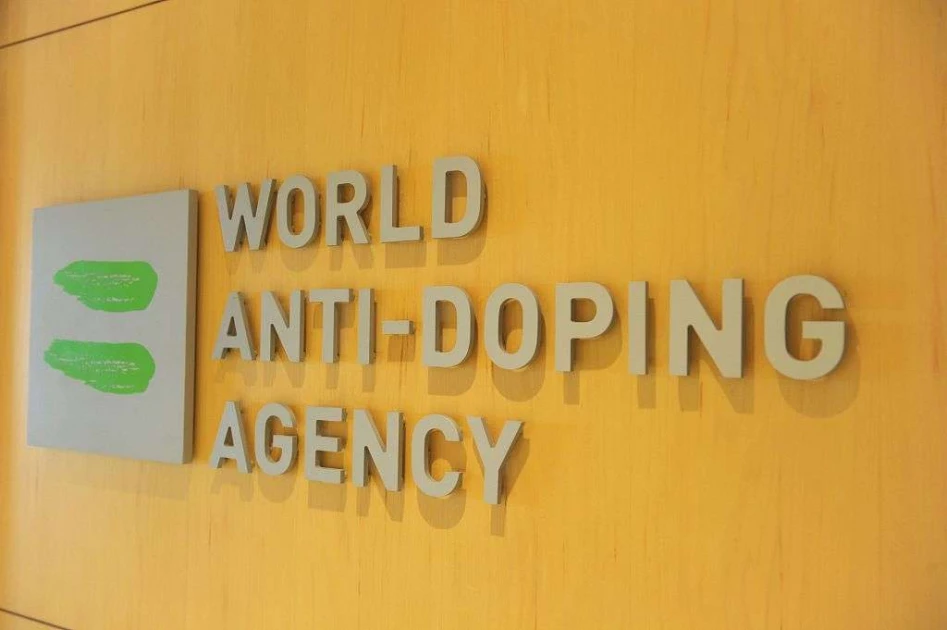
At its peak, the crisis threatened Kenya’s place in international sport. On September 13, the World Anti-Doping Agency (WADA) declared the country non-compliant, issuing a 21-day ultimatum to address gaps in testing, funding, and governance.
A potential global ban was only averted
after urgent government intervention, which restored funding to the Anti-Doping
Agency of Kenya (ADAK) and fast-tracked key reforms.
The scale of the problem remains stark. At least 143 Kenyan athletes are currently under active suspension, most of them from athletics — the country’s flagship sport.
Investigations over the past two years have also
uncovered cases involving masking agents, medical manipulation, and abnormal
blood profiles detected through the Athlete Biological Passport, which monitors
long-term physiological changes.
Speaking to this writer, ADAK Head of Education and Research,
Dr. Martin Yauma, pointed to widespread non-compliance with the Registered
Testing Pool (RTP) requirements as a major risk factor.
“All RTP athletes must submit accurate whereabouts every day
— including training and competition schedules and a fixed one-hour window for
testing. Misses can trigger violations,” he said.
Dr. Yauma also raised alarm over rising blood doping and
cannabis use among athletes.
“We’re seeing more blood manipulation cases. Cannabis use is
also up. But the biggest gap is knowledge — athletes don’t fully understand
what’s expected under anti-doping rules,” he added.
In response, education has become the cornerstone of reform.
Nairobi emerged as the nerve centre of Kenya’s renewed anti-doping campaign
after Athletics Kenya (AK) convened a high-level education forum bringing
together ADAK, the Athletics Integrity Unit (AIU), and government partners.
“We want athletes to compete with confidence, knowing they
are informed, protected, and supported,” said Barnaba Korir, AK Youth
Development Director.
The government reinforced this commitment by allocating USD
5 million (approximately Ksh.650 million) to strengthen testing,
investigations, legal enforcement, athlete registration, and nationwide
education programmes.
The Nairobi meeting marked a turning point, reaffirming that education, coordination, and accountability will anchor Kenya’s clean sport strategy.
With ADAK, AIU, and Athletics Kenya now working in tandem, the country has signaled its intent to rebuild trust — and ensure its athletes win fairly.
Leave a Comment