
Kenya will not close borders over Ebola outbreaks in DRC and Uganda - CS Duale
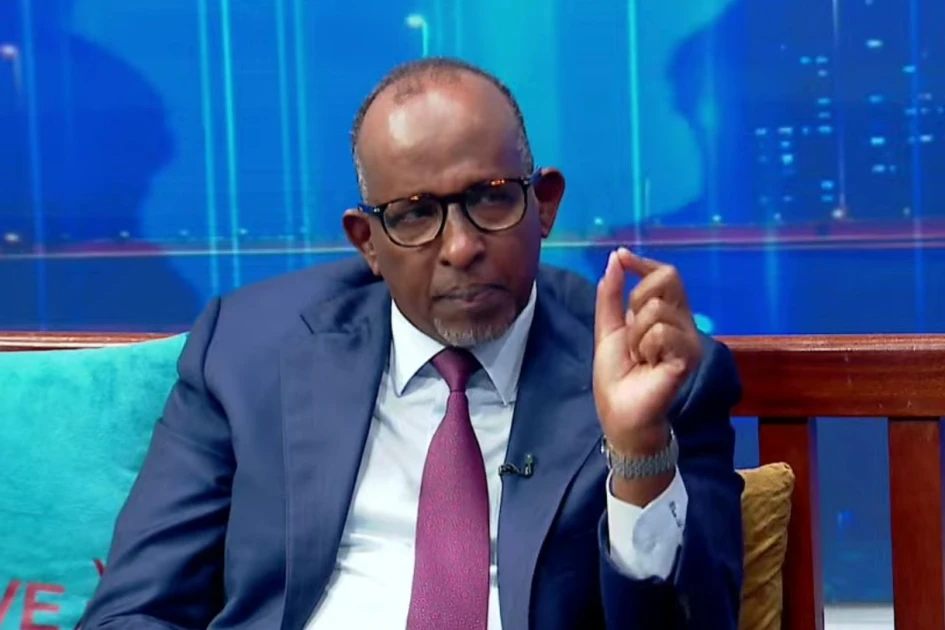
Health CS Aden Duale speaks during an interview on Citizen TV's JKLive on June 3, 2026. Photo/Courtesy

Audio By Vocalize
Speaking during an interview on Citizen TV's JKLive, Duale dismissed calls for border closures, noting that Kenya's response is guided by international public health protocols and recommendations from the World Health Organisation (WHO).
The CS said the country had already activated monitoring mechanisms for travellers arriving from affected regions, including quarantine measures where necessary.
"We are not going to close our borders; it is against World Health Organisation (WHO) rules. We'll screen and do contact tracing instead. There are some Kenyans who came from Congo Brazzaville and we've quarantined them for seven days. To make sure the incubation period is over and every morning and evening they are checked," Duale stated.
"We are a very transparent government. As the Minister for Health, I have a moral duty to ensure our citizens are safe and protected from misinformation."
Under the WHO's International Health Regulations (IHR), countries are generally discouraged from imposing blanket border closures during disease outbreaks unless there is clear scientific evidence that such measures are necessary and proportionate to the public health risk.
The WHO typically recommends targeted interventions such as screening, surveillance, testing, contact tracing and public health education. Border closures are only considered in exceptional circumstances where the benefits clearly outweigh the social and economic consequences.
Defending the government's collaboration with the United States to establish a quarantine facility in Laikipia, the CS said Kenya's sovereignty would not be compromised by any of the ongoing partnerships.
"We will not compromise the sovereignty and nationality of our country. We have no apology to make because we have partnered with the US in the health sector for over 23 years," he said.
He further maintained that all agreements and health initiatives being implemented by the government are anchored in law and have undergone the necessary approval processes.
"Everything we are doing is within the Public Health Act, the Constitution, and the Cooperation agreement adopted by Cabinet and passed by Parliament," Duale stated.
The Health CS also defended the government's decision to invest in Ebola preparedness infrastructure, arguing that the country must be ready to respond to potential health emergencies before they occur.
"Why are you fixated on Americans? What about Kenyans working in the DRC? We learned a lot from COVID. We must prepare before an incident happens by having Ebola facilities, treatment, and isolation centres."
According to Duale, Kenya's long-standing partnership with the United States has played a significant role in strengthening the country's healthcare system over the years.
"We have a very long historical relationship within the health sector with the US. They have spent over 8 billion dollars in the health sector. The achievements today that we are proud of as a country are part of our partnership," he remarked.
The CS assured Kenyans that no Ebola cases have been reported in the country, adding that health authorities remain on high alert, particularly at points of entry, as neighbouring countries continue to monitor and contain outbreaks.
Join the Discussion
Share your perspective with the Citizen Digital community.
No comments yet
This discussion is waiting for your voice. Be the first to share your thoughts!