
The Christmas strangers you are meant to call auntie, uncle or cousin
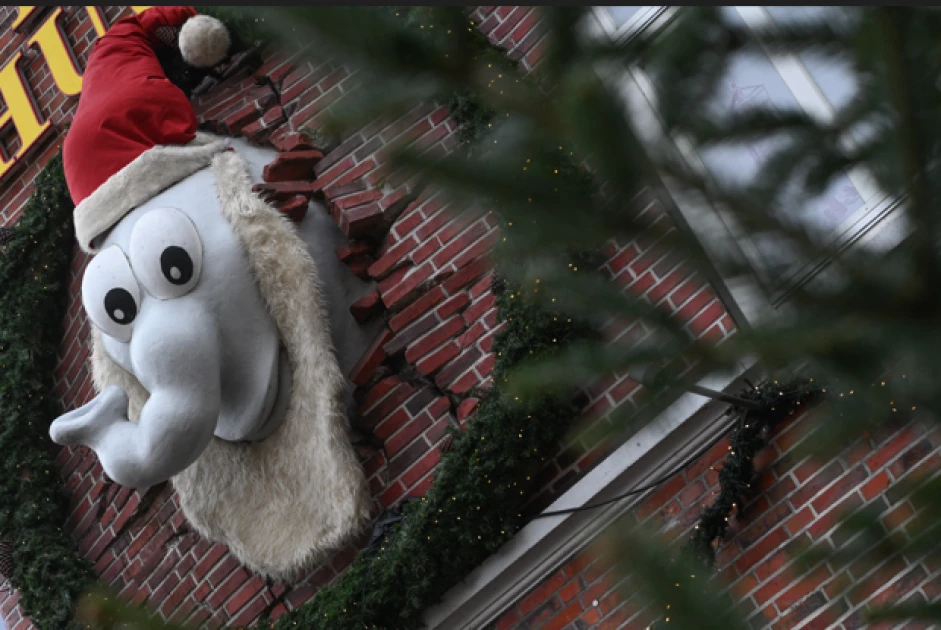
At the Otto Huus, visitors to the Christmas market are greeted by an XXL Ottifant with a Christmas hat. Photo by LARS PENNING / DPA VIA AFP

Audio By Vocalize
From rice to choma, chapati to chicken, and pilau to whatever the budget allows, everything is on the menu - making the holidays the best time of the year.
The aroma of spices fills the air, mixed with excited sounds. Plates clatter, laughter spills from the living room, kids run around playing, and music fills the background, signalling that this is definitely not just any day.
Then comes the knock, and familiar faces appear, greeting everyone as if no time had passed. For some, December 25th is the one day when silence breaks, and long-lost relatives reappear.
No calls or texts all year, but then Christmas arrives, and so do they, ready to eat, laugh, share, and feel at home. They're family but feel like strangers.
Children present are told to call these unfamiliar faces "uncle", "aunt", “cousin” and to get used to their once-absent presence.
"I remember one Christmas being introduced to a face I didn’t recognise as my uncle. I had never met him; he was a stranger, and I had to call him uncle," says 30-year-old Daniel Mwangi.
At first, conversations are cautious, laughter feels forced, and everyone avoids sensitive topics, testing their comfort. In those weird moments, Christmas turns strangers into family, even if just for a day.
Not too long ago, Christmas meant a family reunion. Everyone gathered, and it was a big deal, planned ahead of time. Grandparents would call repeatedly, insisting that everyone make the journey home.
"We used to go to our rural home, meet aunts, cousins, and siblings. We would slaughter a goat and cook all kinds of food," recalls 45-year-old Hellen Wangeshi.
"It meant love and unity," she adds.
Going back home was a must, not an option. Houses filled up with noise and life, with cousins, uncles, aunts, and neighbours dropping by. Christmas wasn't just a reunion; it was about staying connected.
Today, Christmas has become more of a celebration for smaller families. Parents and kids often spend the day alone, at the mall, movies, ordering takeout, and then heading home.
"Christmas has changed. People have jobs in busy towns, and gathering has become a challenge," Wangeshi says.
Jelilah Daud, 22, feels Christmas is just another day, nothing special, but a time to exchange pleasantries and heartfelt wishes with other relatives.
"To be honest, right now, Christmas feels like any other day to me, just a normal day in a regular month. It used to mean more than just the birth of Christ," Daud says.
"It was a uniting factor for all Christian families. I love being with my family; it doesn’t have to be on Christmas."
The pressure to travel or get together has eased, and with it, the phone calls that once kept extended families close.
"Nowadays, Christmas is just like a random Thursday. We eat the same food, do the same things, and just treat it like a regular day," says 20-year-old Mirriam Njeri.
As families grow apart because of work, distance, and the fast pace of life, Christmas is no longer the long, festive holiday it once was. For many, its once vibrant tradition is now just another date on the calendar.
Will those wonderful Christmas days ever come back? Or will they disappear further into oblivion?
One thing is clear, the magic of Christmas now lives in short-lived moments of shared meals, laughter, and once-a-year reunions that remind us of what may be replaced by empty wishes and broken promises.
Leave a Comment