
Ride for donkeys: A journey on two wheels and the heart of a nation
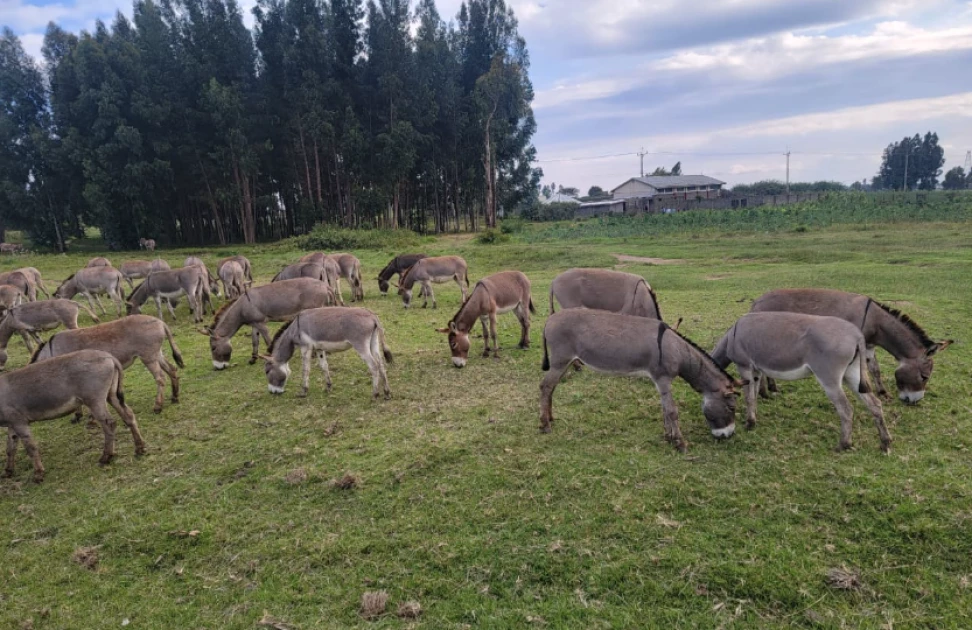
Donkeys grazing. PHOTO | Dr. Brian Irungu

Audio By Vocalize
By Dr. Brian Irungu
I’ve
always loved biking. The roar of an engine, the vibration under your hands, the
way a bike demands focus and respect; it is a kind of happiness that hits you
in the chest. I’m also a veterinarian, a job that keeps me close to animals and
the communities that depend on them, sometimes rewarding, sometimes
heartbreaking.
On that
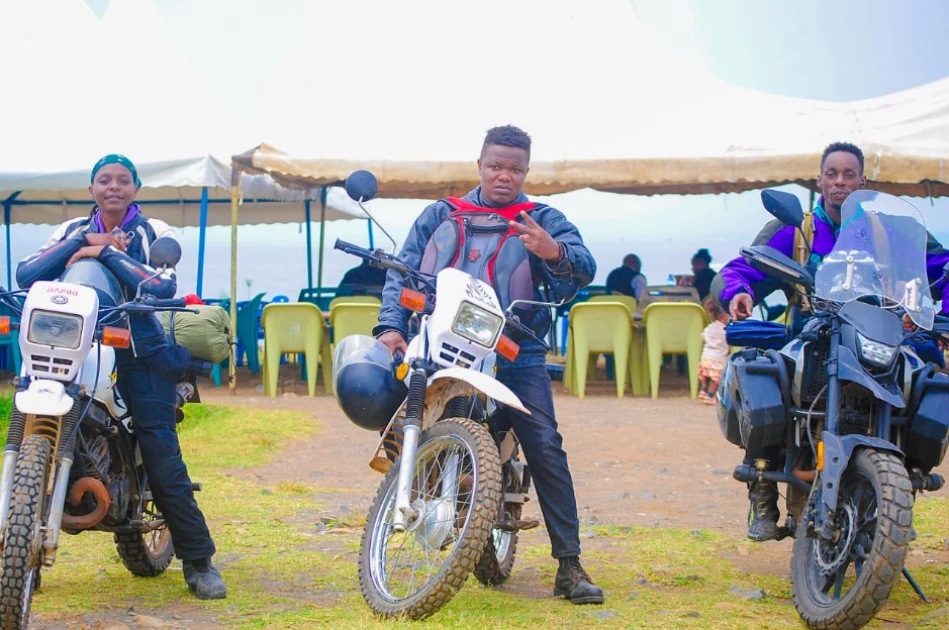
early December morning in Nairobi, as Rafiki, my bike, growled to life, I
realized that my two passions could meet on the road. Biking gave me speed,
reach, and presence. Veterinary medicine gave me purpose. Saving donkeys might
just require throttle as much as heart. Rafiki isn’t just steel and rubber.
Rafiki has personality, presence, and purpose. Every mile we rode could be
advocacy, every turn a message, every roar a call to protect the animals that
carry communities.
This
wasn’t a joyride. This was a mission. The illegal bush slaughter of donkeys had
reached levels that could no longer be ignored. Communities were losing their
animals, livelihoods were at risk, and unregulated meat was threatening to
spread zoonotic diseases, those diseases that can be transmitted from animals
to humans, posing significant public health risks worldwide. My goal was simple
yet ambitious: to crisscross 39 counties, cover 4,495 kilometres, and take the
message of ‘Nyama Safe Kwa Plate’ as far as it could go.
It was
about alerting communities, engaging law enforcement, and reminding every
Kenyan that donkeys are not just animals, they are lifelines. That morning, 20th
December 2025, we were flagged off by friends, colleagues, and fellow donkey
lovers. Maureen, a friend of mine, rode beside me. We didn’t know it yet, but
this ride would take us to the farthest corners of the country, into the heart
of a crisis that too many prefer to ignore.
Donkeys
are more than animals
Most
people see donkeys as beasts of burden. True. But they are also livelihoods,
culture, and survival. They are the backbone of families who rely on them to
carry water, firewood, produce, and hope. And yet, they are under siege. Global
demand for donkey skins has become a monster. Ejiao, a Chinese medicine
product, turns hides into elixirs of beauty, and Kenya has become one of its
unwilling suppliers. Bush slaughter has risen, donkey meat is repackaged as
beef, and uninspected meat enters our markets, creating serious public health
risks.
From
Nairobi to Murang’a, Kirinyaga, Embu, Tharaka Nithi, Meru, Isiolo, and beyond,
I saw donkeys everywhere. Some were hauling water, some carrying firewood, some
just resting under the sun. Everywhere I looked, I saw the risk. In Samburu and
Marsabit, the dirt roads would have broken lesser spirits, but the communities
there owned donkeys like family. One man told me his four homesteads
collectively owned nearly one hundred donkeys. Donkeys are not just animals
here; they are wealth, culture, and survival, and they are under threat.
Turkana:
Where culture meets commerce
In
Turkana, culture and commerce collided in the harshest way. Locals have
traditions around donkey slaughter, but foreign demand for skins has warped
this into something ugly. Skins fetch more than meat, so donkeys die even when
the community doesn’t need the meat. I visited a slaughter point, though
thankfully it was quiet for the festive season. It was hard to watch, but it was
also clear why advocacy cannot wait.
People
often ask me why I care so much about donkeys. My answer is simple: when
donkeys suffer, people suffer too. Families lose transport, income, and time.
Children carry heavier loads. Women walk further for water. Communities lose
resilience. Losing a donkey can cut household income by more than 70 percent in
some regions. Protecting donkeys should be a priority.
Advocacy
on the road
Along
the ride, we engaged police officers, donkey owners, and communities. We
explained laws like the Meat Control Act, CAP 356, and the Prevention of
Cruelty to Animals Act, CAP 360. We walked officers through what illegal donkey
transport looks like. We gave communities practical tips on how to safeguard
their animals.
The
ride was not easy. There were two bike breakdowns, and security risks that
forced us to reroute multiple times. But every challenge reinforced the
importance of the work. The requests from local communities were simple: “Can
you bring veterinary care here? Can you stay longer?”
Why policy
alone isn’t enough
Policy
alone will not save donkeys. Laws without enforcement are just words. We need
vigilant enforcement along trade and transport routes, structured veterinary
outreach programs in remote counties, and community awareness that elevates
donkeys from tools to partners.
Creative advocacy, rides, marathons, competitions, local awards can make people value their donkeys as much as I do.
When I
rode Rafiki, I thought it was about motorcycles, speed, and adventure. It
wasn’t. It was about donkeys. It was about people. It was about protecting a
way of life. Every kilometre reminded me that welfare is not a sentimental
add-on. It is the foundation for human dignity. Every donkey we save is a
community protected. Every community we strengthen is a reason to ride further,
speak louder, and fight harder.
So
here’s my plea to every reader who thinks this isn’t their fight: it is. When
donkeys are stolen, slaughtered, and silenced, we lose more than animals. We
lose food security, livelihoods, dignity, and resilience. This is not a niche
issue. It is a national one. It is a human one. Saving donkeys isn’t
sentimental. It is survival. And it starts with us.
[The
writer is a veterinarian who was awarded ‘Youngest Vet of the Year’ in 2025. He
is also an avid adventure rider and serves as an Animal Welfare Officer at
Brooke East Africa.]
Leave a Comment