
OPINION: Why December menus decide Africa’s tourism future
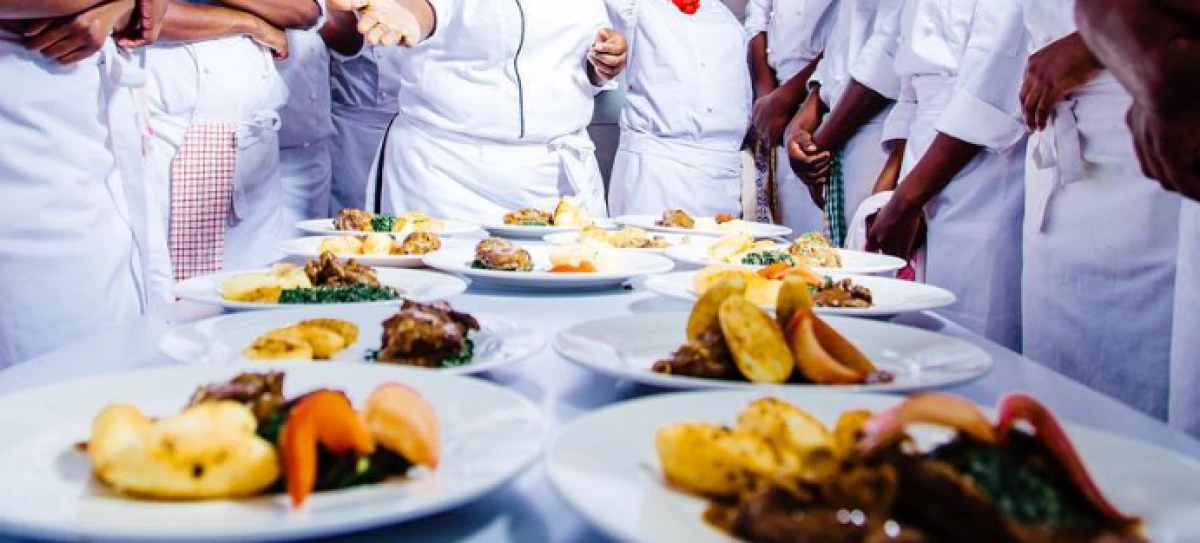
PHOTO| Boma International Hospitality College

Audio By Vocalize

On a Friday night in December, the line
outside a roadside nyama choma joint near Naivasha can rival the check-in
queues at Jomo Kenyatta International Airport. SUVs and matatus sit side by
side. Diaspora returnees, Nairobi weekenders and foreign visitors work through
plates of grilled meat, ugali and kachumbari under the glow of floodlights and
football on TV. Nobody at those plastic tables is thinking about “tourism
strategy”. Yet that smoky, noisy, joyous space does more for Kenya’s brand than
any glossy brochure.
Across the continent, we still treat food
as an add-on. We design wildlife circuits, beach packages and conference
itineraries, then plug in “F&B” as a support service. The festive season
exposes how weak that approach is. When people finally take a break, they do
not remember the size of the hotel lobby. They remember what they ate, who
served them and how they felt at the table. That is where Africa’s tourism
future will be decided.
In many African cities, December behaves
like a month-long food festival even though we do not call it that. Street
vendors extend their hours. Supermarkets pile high with local produce. Coastal
towns overflow with visitors who want fresh seafood and Swahili dishes. Inland,
families crowd local restaurants before and after church services. Diaspora
visitors arrive with a mental list of cravings: from coastal biryani, mukimo,
matoke, chapati, you name it. The continent already hosts an informal culinary
season, but the season has no name, no coordinated programme and no clear
strategy.
Imagine if destinations treated December as
an organised culinary showcase rather than a period to endure. City tourism
boards could deliberately map food trails that link street food, markets and
restaurants, and market those trails as experiences in their own right. Night
markets could run as safe, well-regulated hubs for street food instead of being
left to chance. Hotels could build festive menus that highlight regional
ingredients rather than imported ideas of Christmas and New Year.
Food tourism also needs a different lens when we talk about value chains. Policymakers often jump straight to arrivals, bed nights and big projects. A plate of food connects farmers, fishermen, transporters, processors, cooks, servers and storytellers. That connection is where inclusive growth can take shape.
Think about a festive seafood platter at
the Coast. A thoughtfully designed dish can showcase under-used local species
instead of the same over-fished favorites. It can pull vegetables from nearby smallholder
farms and rely on heritage grains or local flours rather than imported
starches. It creates work for trained chefs, wait staff and mixologists. It
anchors a narrative for the guest about coastal culture, livelihoods and
ecology. Multiply that logic across a hotel, a town or a tourism circuit and
the case for food as a central pillar of tourism policy becomes obvious.
Most visitors in December will not eat every meal inside five-star properties. They will stop at kiosks on the highway, cafés in town, vibandas near bus stages and social-media-famous spots in residential neighborhoods. These places carry huge weight in shaping a traveler’s impression of African hospitality and everyday life.
Yet many of
them operate with minimal support: unreliable infrastructure, inconsistent
regulation, limited access to finance and almost no structured training. We
expect them to deliver safe, delicious food, create jobs and represent our
countries with little more than hustle and hope. A serious food-led tourism agenda
would change that picture.
National and county governments, tourism
boards and business associations can turn these small operators into stronger
partners. Clean, well-designed food courts and night markets would give vendors
better spaces to trade. Licensing can be simpler and more transparent while
keeping food safety as a firm standard rather than an optional extra. Short,
practical training on hygiene, costing and customer experience would lift
quality quickly. Access to micro-finance and equipment leases would allow
vendors to invest in refrigeration, storage and basic technology. Each of these
steps improves what visitors actually see and taste during the festive rush and
pushes more benefits into local communities.
Behind this entire conversation sits one
missing ingredient: skills. Talk to hotel general managers in December and a
constant worry emerges. Properties struggle to find enough trained people.
Kitchens and restaurants strain under full occupancy. Seasonal staff arrive
with limited preparation. Service standards swing from excellent to poor within
the same property and sometimes within the same day. Food can carry Africa’s
tourism brand only if the people behind it are well-equipped.
For institutions like Boma International
Hospitality College, that reality brings both responsibility and opportunity.
The next generation of African culinary professionals needs a precise blend of
capabilities. Technical excellence in kitchen and pastry work is foundational,
but it is not sufficient. Chefs need deep knowledge of local ingredients and
regional cuisines, an understanding of cost control, waste reduction and
sustainability, and the confidence to step out of the kitchen and talk to
guests about the story behind each plate.
At BIHC, we push students to move
comfortably between classical technique and African creativity. One day they
refine sauces, pastry work and knife cuts. Another day, they rework a childhood
favourite for a fine-dining setting or design a casual festive menu for a
high-volume outlet. They learn to think like managers and entrepreneurs as well
as cooks. The goal is simple: graduates who can lead a five-star brigade, run a
food truck, manage a busy nyama choma joint or build a food festival from
concept to execution. This is the type of professional that the moment demands.
Across Africa, leaders speak regularly
about tourism as a pillar of diversification, job creation and foreign
exchange. They invest in airports, convention centres, roads and digital
campaigns. All of that infrastructure matters. It will not reach full potential
if we ignore the experience that repeats three times a day: breakfast, lunch
and dinner. The festive season brings that truth into sharp focus. Guests
arrive with high expectations and limited time. If food disappoints, they will
still enjoy the scenery, but the stories they carry home will be thin. If food
moves them, they become evangelists for the destination for years.
Over the next decade, competition between
destinations will sharpen. Climate concerns and changing travel patterns will
push travellers to choose fewer trips that deliver deeper meaning and
connection. Food gives that depth in a direct way. It shapes memory, builds
trust and compresses history, geography and identity into a single moment at the
table. Africa can meet that moment if it chooses to reorganise its priorities.
Tourism boards need to approach chefs, food
entrepreneurs and training institutions as strategic partners rather than
service providers. City planners need to see markets, street food hubs and
night-time food economies as civic assets rather than nuisances. Hotel owners
and restaurant groups need to invest in their culinary teams with the same
seriousness they show for marketing budgets and capital projects. If that shift
happens, December stops being a chaotic scramble for short-term revenue and
becomes a live demonstration of what African tourism can stand for: warmth,
creativity, pride in local ingredients and a genuine seat at the table for
communities throughout the value chain.
The world is hungry for honest, rooted,
memorable experiences. Africa’s most persuasive tourism pitch will not come
from a billboard or an online advert. It will come, quietly and decisively,
from the plate.
The writer, Chris Burton, is Head of
Culinary, Boma International Hospitality College
Leave a Comment