
OPINION: Diaz - Renewable energy is the future

Audio By Vocalize
Energy touches every part of our lives. It lights up our homes, fuels our industries, powers our phones, and drives vehicles. However, the way we generate and utilize energy is changing faster than ever before.
Old systems built on coal, oil, and gas are gradually giving way to cleaner, more innovative, and more affordable alternatives. These changes are already reshaping economies and societies, and they hold particular promise for developing regions, such as Africa.
For decades, the world’s energy systems have relied mainly on fossil fuels, including coal, oil, and natural gas. While these sources have fueled the growth of modern economies, they also release carbon dioxide (CO₂) and other pollutants that contribute to climate change and health problems.
This has prompted governments, businesses, and innovators to rethink our energy choices.
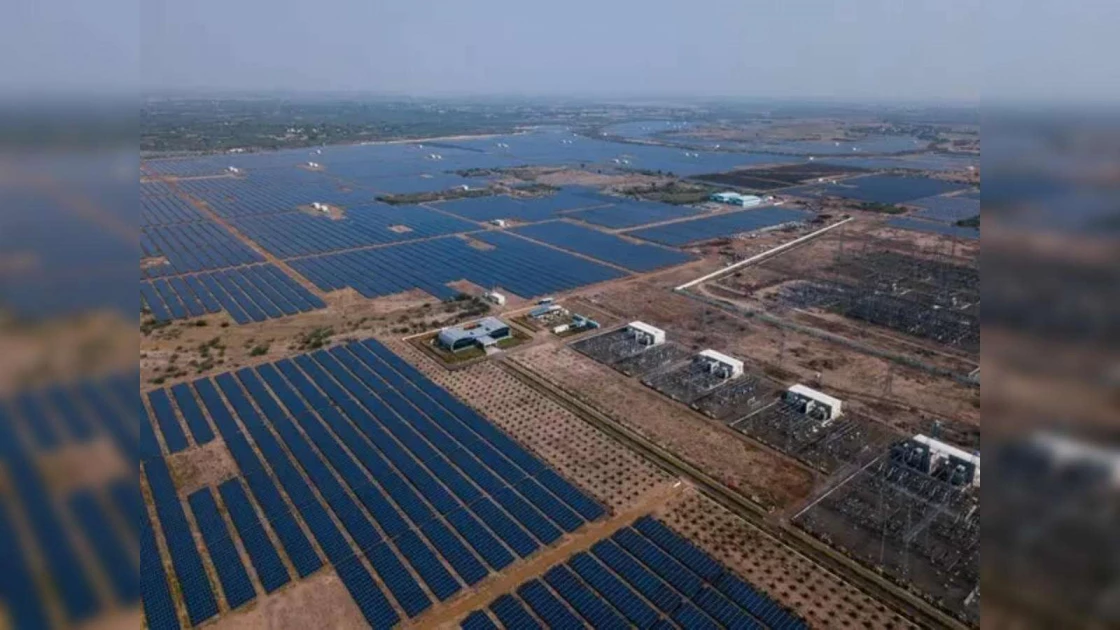
This has coincided with a time when renewable energy, especially solar and wind, is not only becoming more affordable but also more widespread in use. For example, according to industry data, Africa’s solar capacity recently surpassed 20 gigawatts (GW) of operational installations, with around 10 GW more under construction across the continent.
ISS African Futures, a data-driven forecasting and analysis initiative that helps policymakers, researchers, development partners, and the public understand long-term development prospects for African countries, has found that solar PV capacity in Africa increased from 1.6 GW in 2014 to over 17 GW by 2023.
While these shifts mean more clean power, lower fuel costs, and new economic opportunities, it also presents new challenges in planning, financing, and connecting systems to communities that have previously found it difficult to access reliable energy.
Solar energy is especially attractive in sunny regions like Africa. While Africa has some of the world’s best solar resources, sufficient to meet its future energy needs many times over, its installed capacity is still low compared to this potential.
Wind energy is also expanding fast. Across Africa, wind farms are now providing clean electricity and reducing reliance on expensive fossil fuels.
One of Africa’s most significant renewable energy projects is the Lake Turkana Wind Power (LTWP) project in northern Kenya. It has a capacity of approximately 310 MW and is estimated to supply around 15–17% of Kenya’s electricity, representing a significant step toward reducing Kenya’s dependence on fossil fuels.
In West Africa, the Taiba N’Diaye Wind Farm, located near Dakar, produces approximately 158.7 MW of power, sufficient to support over two million people.
In landlocked Burkina Faso, the Kodeni Solar Power Station is a more minor but essential project that began operations in late 2023 with 38 MW of capacity and generates around 73 GWh of clean electricity annually and is helping reduce the country’s reliance on expensive diesel generators, this project contributes to more stable and affordable power for homes and businesses.
In Nigeria, the government has struck a 200-million-dollar deal with companies like WeLight to deploy renewable mini-grids across rural and peri-urban areas.
These small, local systems utilize solar and other clean technologies to provide reliable electricity to 1.5–2 million people, thereby opening up opportunities for small businesses, schools, and health centers in areas that have long been underserved by the national grid.
These examples illustrate how renewables are not just about big plants, but also distributed energy systems that can bring power directly to communities that need it most.
Beyond generation, innovation is also reshaping how we use and manage energy. Electric vehicles (EVs) are gaining popularity globally, reducing fuel costs and decreasing pollution in cities. Meanwhile, smart grids utilize digital technology to balance power supply and demand in real-time, incorporate renewable sources, and minimize waste.
Energy storage, particularly batteries, is helping to solve the “intermittency” challenge of solar and wind energy, storing power when it’s abundant and releasing it when needed. These trends are crucial for developing reliable, efficient, and low-carbon energy systems.
As mentioned, new innovations present new challenges, and key among these is financing.
Renewable infrastructure can require high upfront investment, and African countries, already mired in debt, face challenges in mobilizing necessary resources.
Infrastructure, such as power grids, is generally inadequate, especially in remote areas. There are also issues around skills and policy frameworks, with effective regulation, trained technicians, and supportive policies essential for long-term success.
Africa also faces a significant gap in energy access. Even with the growing renewable capacity, hundreds of millions of people still lack reliable electricity, which slows economic growth and hinders quality of life improvements.
What does the future of energy hold for developing countries across Africa? Renewables are becoming the most cost-effective source of electricity. Solar panels and wind turbines cost less to operate than fossil fuel plants, and bring down long-term energy costs, an essential advantage for countries with limited public funds.
Distributed energy solutions, such as mini-grids and off-grid solar systems, can bring power to remote villages that may never be reached by a traditional national grid.
Building renewable energy infrastructure creates jobs, from construction to maintenance. This helps boost local economies, and projects like those in Senegal and Kenya, as described here, have already supported thousands of workers during construction phases.
Ultimately, cleaner energy means less air pollution, resulting in improved health outcomes and lower healthcare costs.
This can be especially transformative in cities where diesel and generator use are everyday occurrences. By relying more on renewable energy, African countries can reduce their vulnerability to volatile global fuel prices and better meet international climate goals.
The global energy landscape is undergoing significant changes, and Africa is a key contributor to this shift. Renewables, such as solar and wind, are transitioning from fringe technologies to mainstream solutions. With continued investment, supportive policies, and thoughtful planning, developing countries in Africa can leapfrog old systems and build energy sectors that are clean, reliable, and inclusive.
That transformation will not only power homes and factories but will also power dreams, businesses, schools, and healthier communities in the coming decades.
Most private sector groups and investors, including manufacturing businesses, have established solar-powered units. In contrast, others use cogeneration systems that utilize agro-waste to produce steam and power to run massive factories. Both private and public partnerships will create new energy opportunities for business growth and contribute to economic transformation. We need more investments, employment, and entrepreneurship integrated with the utilization, sustainability and expansion of renewable energy across the continent.
Chris Diaz Chairman of Adili Group and Business Leader X - @DiazChrisAfrica
Leave a Comment