
KNCHR slams Ruto administration over directive targeting foreigners in small-scale trade
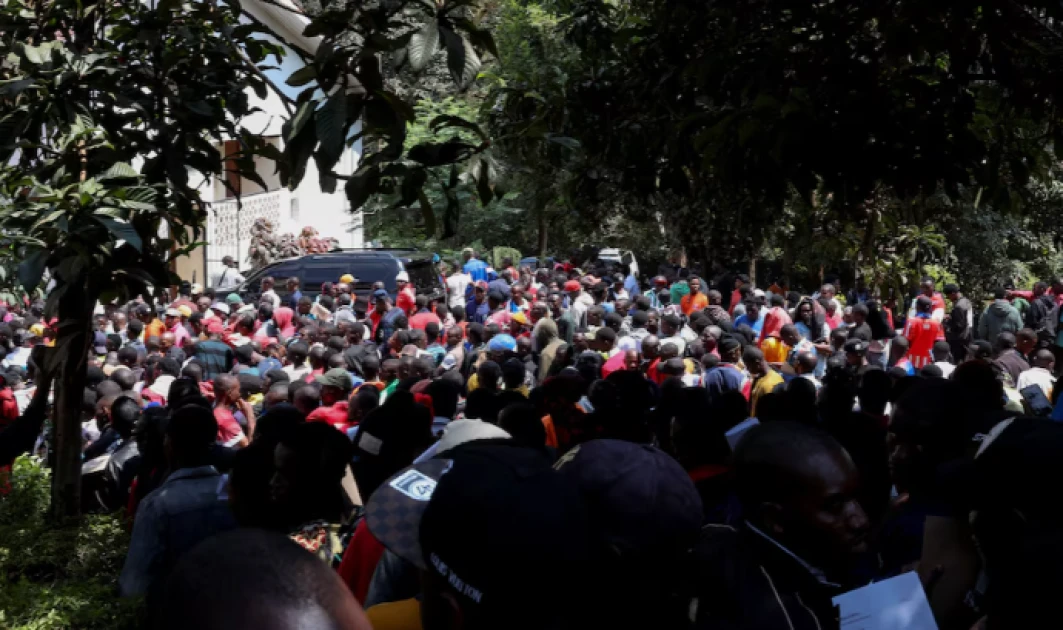
Burundi nationals gather at their country's embassy as they seek travel documents to return to Burundi after Kenyan President William Ruto ordered a crackdown on small-scale traders from abroad, in Nairobi, Kenya, September 7, 2026. REUTERS/Monicah Mwangi

Audio By Vocalize
In a statement issued on Tuesday, September 8, 2026, KNCHR expressed concern over the government’s recent directives targeting foreign nationals engaged in small-scale businesses, saying it had already received complaints from migrant and refugee communities claiming threats, intimidation, and discriminatory treatment.
The Commission’s intervention comes days after President William Ruto ordered the closure of small businesses operated by foreign nationals and as the government began enforcing restrictions against undocumented traders across the country.
According to KNCHR Chairperson Claris Ogangah, the Commission has received petitions from refugee communities and other migrant populations in several counties reporting human rights concerns linked to the government’s enforcement measures.
The Commission said the complaints include threats, intimidation, discriminatory treatment and online attacks directed at foreign nationals.
While KNCHR cited reports from Miritini in Mombasa County as one example, it emphasised that the issue should not be viewed as being confined to a single locality.
"The Commission has received petitions from refugee communities and other migrant populations in various counties alleging human rights violations, including threats, intimidation, discriminatory treatment and online attacks.
Reports from Miritini, Mombasa County, illustrate the potential for violations, but the Commission emphasizes that this is a broader national concern and should not be viewed as confined to any particular locality,” the statement said.
The warning comes against the backdrop of mounting anxiety among Burundian nationals living in Kenya following the government’s crackdown.
On Monday, September 7, 2026, hundreds of Burundians queued outside their country’s embassy in Nairobi seeking travel documents and assistance after Ruto’s directive sparked fears of deportation and business closures.
The government has since announced a temporary registration window for undocumented East African nationals, saying those undergoing registration will be presumed legally present during the process while authorities work with regional partners to regularise their status.
The administration has also insisted that the crackdown targets foreigners operating without valid work permits rather than all foreign nationals living in Kenya.
KNCHR acknowledged that the government has a legitimate mandate to regulate immigration, employment, trade and investment.
However, it cautioned that such powers must be exercised in accordance with the Constitution and Kenya’s regional and international obligations.
The Commission reminded the government that Kenya is bound by the East African Community Common Market Protocol, which guarantees the progressive free movement of persons, labour, services, capital and rights of establishment among Partner States.
It also referenced the controversial Operation Usalama Watch conducted in 2014, warning that lessons from the violations, trauma and economic disruption associated with the operation should guide current enforcement efforts.
“Kenya must not wait for violations to occur before putting in place appropriate preventive safeguards,” the Commission said.
KNCHR called on authorities to ensure that enforcement is based on individual legal violations rather than the collective profiling of migrants, refugees or foreign nationals.
It urged the government to establish clear and accessible mechanisms allowing affected persons to verify their immigration status, obtain information and, where legally possible, regularize their documentation.
The Commission further called for special protections for refugees, asylum seekers, victims of trafficking, migrant workers and children.
Among its recommendations, KNCHR urged the government to monitor enforcement nationwide, publish data on complaints, arrests, closures and deportations, and investigate reports of abuse by law enforcement officers or members of the public.
The Commission also appealed directly to Kenyans, cautioning against taking the law into their own hands.
It warned that no one should engage in physical or online harassment, intimidation, violence or discrimination against foreign nationals.
"Any such conduct must attract the full force off the law,” KNCHR said.
The Commission said it will continue monitoring the situation across the country, engaging government agencies, migrant communities and refugees while documenting alleged violations for possible investigations or legal action.
It urged anyone experiencing or witnessing threats, unlawful eviction, destruction of property or other human rights abuses to report the incidents to the police or directly to KNCHR through its official reporting channels.
Join the Discussion
Share your perspective with the Citizen Digital community.
No comments yet
This discussion is waiting for your voice. Be the first to share your thoughts!