
Home Alone’s ‘Wet Bandits’ are medical miracles

Audio By Vocalize
The festive movie season is upon us, and one of my perennial favourites is Home Alone 2: Lost in New York. I will die on this hill: it is better than the original.
But rewatching it as an adult raises an awkward
question. How on earth did the Wet Bandits survive the first film at all, let
alone escape without lasting injuries?
Ten-year-old Kevin McCallister, the boy left home alone, sets up traps that are played for laughs, but many involve levels of force that would be catastrophic in real life.
A 100lb (45kg) bag of cement to the head,
bricks dropped from height, or heavy tools swung at the face are not things a
human body can simply shrug off. High-impact trauma to the head and
neck rarely ends well.
To understand why, it helps to know a little about skull anatomy. The skull has a protective “vault” that encases the brain, while the bones of the face contain hollow spaces called sinuses.
These spaces reduce the
weight of the skull but also act as a biological crumple zone,
helping to absorb force and protect the brain during impacts. But
that protection has limits.
A rough calculation of the forces involved when a 100lb bag of cement strikes the head suggests instant fatal injury. The neck simply cannot absorb that level of force.
To put that in perspective, research shows
that the cervical spine suffers severe damage above about 1,000 newtons of
force. A 100lb (around 45kg) cement bag already exerts roughly 440 newtons
under its own weight, and when falling, it decelerates over a very short
distance on impact.
While the exact force depends on the height of the fall and
how quickly the bag comes to a stop, even conservative assumptions place the
impact well above 1,000 newtons, easily exceeding thresholds for catastrophic
neck injury.
Beyond that, there is a high risk of brain herniation,
where swollen brain tissue is forced into spaces it does not belong. This can
compress areas that control breathing and movement, often leading to coma and
death.
Head injuries are only part of the problem. Many of Kevin’s traps would also place enormous stress on the chest and major blood vessels. Falling forward from a height, being crushed by heavy objects, or being struck in the torso can cause severe internal injuries.
These forces are commonly seen
in high-speed, head-on car crashes. In extreme cases, the impact can rupture
the aorta, the body’s main artery, which is almost always fatal.
Crush injuries elsewhere in the body can have serious and life-changing consequences. Even if they are not immediately deadly, they can cause internal bleeding that worsens over hours or days.
Broken ribs, for
example, can puncture the liver, kidneys or spleen,
allowing blood to leak slowly into the abdomen. Damage to soft internal organs
can also lead to infection, organ failure, or delayed death, depending on the
severity.
Then there are the less obviously lethal moments. When Marv
crashes into a shelf stacked with paint tins and the shelf falls on him, the
impact alone could cause serious internal injury. And paint splashed into the
eyes could cause chemical burns and blindness.
Simple slips and falls are not harmless either. The bones at
the back of the skull are only about 6–7mm thick. A hard blow here can
cause bleeding inside the skull. These brain bleeds do not always show symptoms
immediately and may worsen over hours or days after what seemed like
a minor bump.
Electricity is another recurring gag that would be anything but funny in reality. When Marv grabs the taps attached to an arc welder, he is exposed to electrical current that causes his muscles to contract uncontrollably.
This is why people who touch live electrical sources often
cannot let go. The current overrides the body’s normal nerve signals. Prolonged
exposure increases the risk of disrupting the heart’s normal
rhythm, potentially triggering cardiac arrest.
Despite what cartoons suggest, electricity does not make the
skeleton visible – as we see happen to Marv. There is no X-ray radiation
involved. To expose bone, you would need extremely high-voltage current,
causing fourth-degree burns, which destroy skin, muscle and bone.
Piercing injuries also feature heavily. A nail through the
foot is not just painful. It can damage nerves and soft tissues,
fracture bones, and introduce bacteria deep into the wound. This raises the
risk of serious infection, including tetanus.
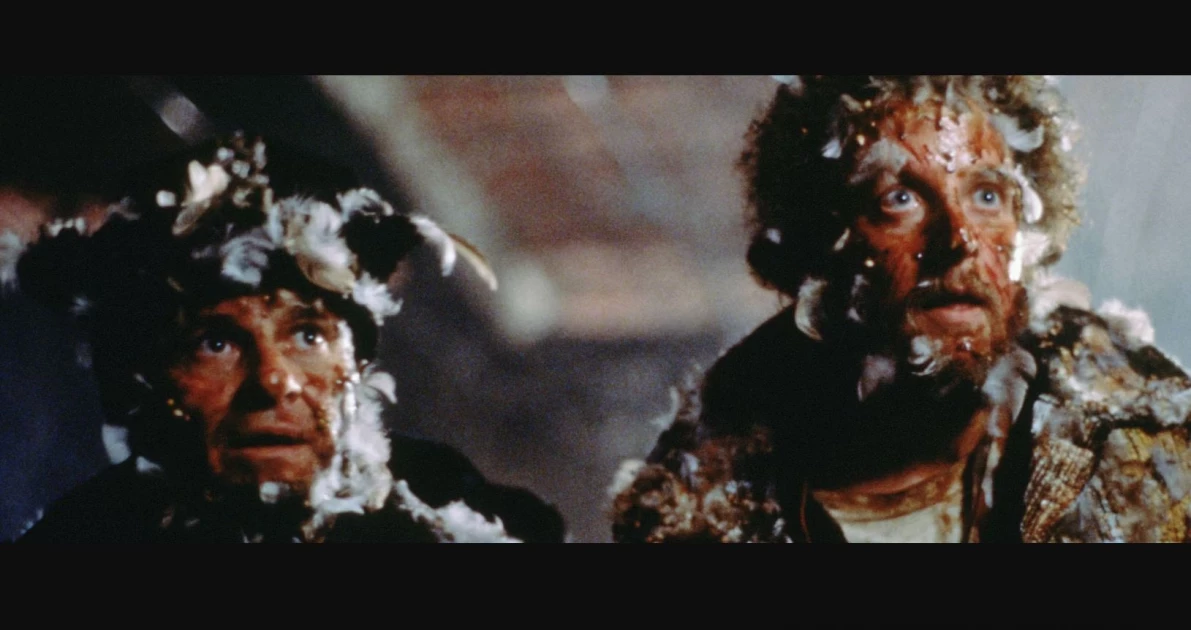
Finally, there is Harry’s infamous blowtorch scene. Being set alight for 22 seconds is more than enough time to cause permanent nerve damage, potentially destroying pain sensation altogether.
While scalp skin is
among the thickest on the body, it has relatively little cushioning
underneath. This makes the underlying tissue and bone more vulnerable to deep
burns, reaching third or even fourth degree severity, which can be lethal.
Add combustible kerosene to the mix and the risks escalate
further. Exposure is linked to kidney damage, heart problems, central
nervous system depression and serious respiratory issues.
In short, Harry and Marv are walking medical impossibilities. Surviving a second round of Kevin McCallister’s festive booby traps would require extraordinary luck, immediate trauma care, and months of rehabilitation.
Even if they appeared outwardly fine, the internal damage would probably be devastating. Perhaps those lingering injuries explain why the Wet Bandits never made it back for another sequel.
Leave a Comment