
Grammy-nominated jazz artist Somi named Spotify EQUAL Artist for August
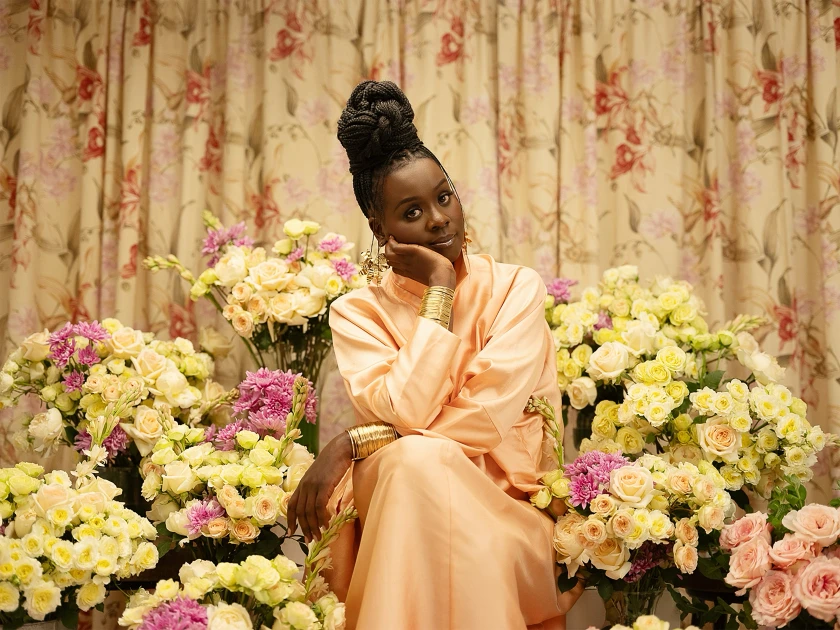
Acclaimed singer, songwriter, playwright and actor Somi. PHOTO | COURTESY

Audio By Vocalize
Acclaimed singer, songwriter, playwright and actor Somi has been named Spotify’s EQUAL Africa Artist for August, recognising her contribution to African music and her role in amplifying African stories on the global stage.
The announcement follows the release of her latest
album, ‘What Does
It Take to Bloom?’ a 13-track project released on August 7
through her label, Salon Africana.
Led by the single ‘We’re All Falling,’ the album explores
themes of self-discovery, identity and the search for belonging, drawing from
Somi’s experiences as an African woman navigating life and the music industry
across continents.
The project was co-produced by Somi and Benjamin James of
Nigerian highlife duo ‘The Cavemen,’ with the duo also making a guest
appearance alongside acclaimed jazz saxophonist Lakecia Benjamin.
Recorded across Dakar, Lagos, Paris and New York City, the
album brings together African rhythms, contemporary jazz and global influences,
with Somi describing her musical approach as “story-based songs framed by
modern jazz, pan-African grooves and soulful intimacy.”
Born in Illinois to Rwandan and Ugandan parents, Somi has
built a career around connecting African narratives with the diaspora through
music and theatre.
Her work has earned her international recognition, including
becoming the first African woman to be nominated in a Grammy jazz category. She
received a nomination for Best Jazz Vocal Album for her live album ‘Holy Room.’
Beyond music, Somi is also a playwright and actor who has
worked on Broadway, a side of her career she says may surprise some of her
fans.
“I can't say that I have ever had a moment when I realised
music was my destiny, but I know that nothing else makes me feel as alive and
connected as singing does,” Somi said.
“I keep pursuing music because of the joy it brings me and the
stories I'm able to uplift and share with others along the way.”
Her musical foundation was shaped by a diverse range of
African and international artists, including Miriam Makeba, Koffi Olomide,
Sade, Papa Wemba, Jimmy Katumba, Afrigo, Seal, Khadja Nin, Cecile Kayirebwa,
Hugh Masekela and Tabu Ley Rochereau.
Somi says these influences continue to inform an artistic
identity that sits comfortably between African musical traditions, jazz and
contemporary global sounds.
For aspiring musicians who may be hesitant about pursuing
their ambitions, Somi’s advice is rooted in authenticity.
“Listen to your heart, never be afraid of being your whole
self, and always be honest with the music,” she said. “Your audience will feel
it deeply and thank you for it.”
Her selection for Spotify’s EQUAL Africa programme also
highlights the challenges she has encountered as a woman working in an industry
where women have historically had to fight for space both on and off stage.
Somi says much of her music has been shaped by the experience
of being a woman, even though that was not initially a deliberate artistic
decision.
“So many of my songs are informed by the embodied experience
of being a woman. That is something I did not set out to do, but as I continue
on this journey, I feel more and more thankful for it,” she said.
She believes women artists have a responsibility not only to
tell their own stories but also to create pathways for those who will come
after them.
“I believe it is important for women not only to share our
lived experiences through our artistry, but also to provide examples for future
generations so they have the confidence to take up more space both on stage and
behind the scenes,” Somi said.
Her own position within jazz has made that responsibility
particularly significant.
According to Somi, African women remain underrepresented on
international jazz stages despite the vibrant musical community across the
continent. Her Grammy nomination, she says, is therefore not simply a personal
milestone but part of a much longer artistic lineage.
“As the first African woman nominated in a Grammy jazz
category, it is never lost on me that I stand on the shoulders of giants like
Miriam Makeba, Cesaria Evora and Letta Mbulu,” she said.
“Being able to represent that lineage, and the many voices of
African women globally, is something for which I am both humbled and grateful.”
Somi hopes her work will ultimately help create opportunities
for other African women artists, regardless of whether they choose to work
within jazz or explore other musical genres.
Spotify’s Head of Music for Sub-Saharan Africa, Phiona Okumu,
said Somi’s career exemplifies the kind of artistic boundary-pushing celebrated
through the EQUAL programme.
“Somi's artistry is a powerful testament to the rich,
transcendent legacy of African jazz and storytelling,” Okumu said.
“As a barrier-breaking artist who continues to carve out space
for African women on international stages, she perfectly embodies the spirit of
the EQUAL programme. We are honoured to celebrate her voice and vision this
August.”
Spotify’s EQUAL programme was launched to amplify women
artists and connect their music with wider audiences across Africa and beyond.
For Somi, the recognition comes at a significant point in her
career, coinciding with the release of an album that is perhaps her most
personal work yet.
Reflecting on what the recognition means to her, Somi says the
journey of building a career as a woman artist has often meant operating in
spaces that were not designed with women like her in mind.
“To make music as a woman, to lead bands, build a label, and
hold onto your own voice, is to work in rooms that weren't designed for you,”
she said.
She sees EQUAL as an important intervention because it
recognises women not merely as participants in the music industry but as people
actively shaping its future.
“EQUAL matters to me because it insists that women's voices
don't just belong here; they shape what this industry becomes,” Somi said.
“To be lifted alongside so many women artists around the
planet, at this moment in my life, and in this chapter of my work, means so
much.”
Join the Discussion
Share your perspective with the Citizen Digital community.
No comments yet
This discussion is waiting for your voice. Be the first to share your thoughts!