
Gov't urged to take urgent action to protect tea farmers, restore export confidence
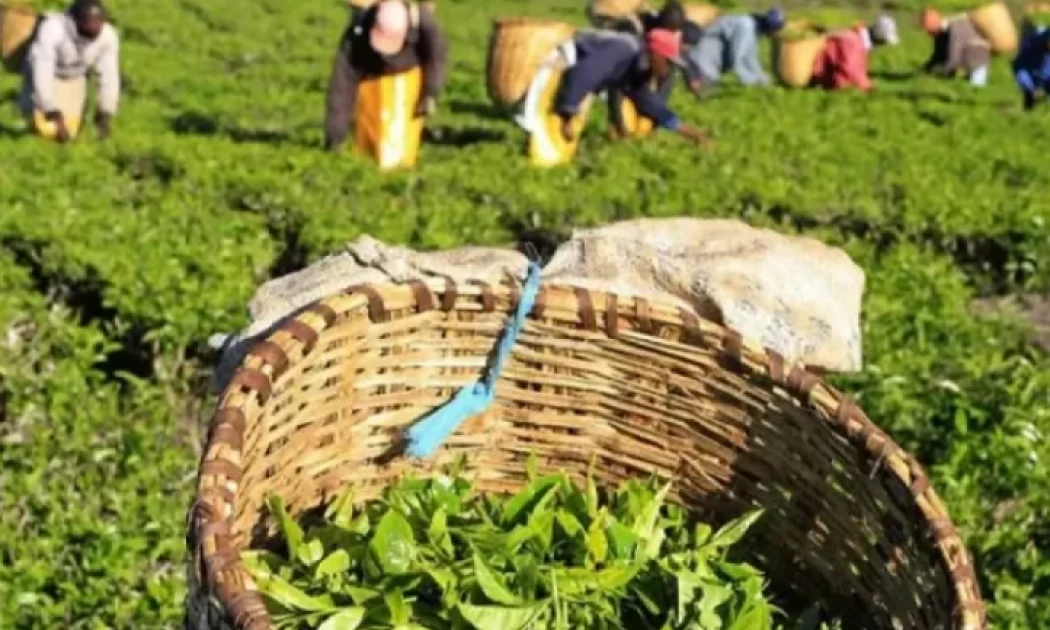
File image showing tea farmers at a plantation. PHOTO| COURTESY

Audio By Vocalize
In a statement issued on Thursday, the Green Thinking Action Party (GTAP) said the National Government has both a constitutional and moral obligation to stabilise the tea industry, warning that years of policy failures, weak oversight and the influence of cartels have pushed the sector into crisis.
GTAP noted that tea, once Kenya’s leading foreign exchange earner, has steadily deteriorated, exposing farmers and tea-growing communities to financial distress and uncertainty. The party said the impact of the decline goes beyond individual households, affecting county economies and public confidence in governance.
The party singled out the 2023 ban on Kenyan tea by Iran, previously one of Kenya’s largest buyers, as a major blow to farmers. The ban followed a controversial consignment linked to an Iranian firm with alleged connections to senior Kenyan officials. While welcoming renewed talks between Kenya and Iran aimed at reopening the market, GTAP cautioned that the opportunity must be handled with “urgency, discipline and integrity”.
“Farmers must not continue paying the price for policy delays, regulatory failure, market opacity and unethical conduct by powerful actors,” the statement said, adding that the cost of inaction now outweighs the cost of reform.
GTAP outlined a series of demands it wants implemented within strict timelines. Among them is the immediate enforcement of a national tea payment timeline to guarantee predictable farmer payments and full transparency on factory-level deductions. The party also called for emergency cash-flow protection measures for households in affected tea-growing zones.
On exports, GTAP proposed a comprehensive integrity and traceability programme requiring all tea consignments to be fully traceable from factory to port to buyer, with verified quality certification as a precondition for export clearance.
The party further demanded the publication of a public integrity register of all licensed tea exporters within 30 days, alongside zero-tolerance enforcement against firms involved in adulteration, misrepresentation or payment defaults. Offending exporters, GTAP said, should face suspension, prosecution, recovery of farmer losses and long-term disqualification from the sector.
To enhance accountability, GTAP called for the creation of a public Tea Sector Transparency Dashboard detailing factory payment timelines, deductions, licensed exporters, export volumes, prices realised and enforcement actions. It also urged the government to commission an independent forensic audit of factory deductions and exporter conduct, with findings made public.
Additionally, GTAP proposed the appointment of a high-level Tea Market Recovery Envoy within 14 days to rebuild buyer confidence and reopen blocked markets, with mandatory public progress updates every 30 days. Within six months, the party wants tea formally designated as a Strategic Livelihood Sector, supported by a permanent inter-agency Tea Integrity and Market Protection Council.
GTAP said it would closely monitor government action and keep the public informed, warning that it would pursue parliamentary, administrative and judicial remedies where institutions fail to act.
In a message to tea farmers, the party said it stands in solidarity with them, describing their work as “national service” that deserves fair systems, transparent deductions and protected markets.
“Kenya will not regain confidence through statements alone,” GTAP said, stressing that only enforcement, transparency, accountability and measurable delivery will restore trust in the tea sector.
Leave a Comment