
Behind the wig is a story: Beth’s journey with lupus and hair loss
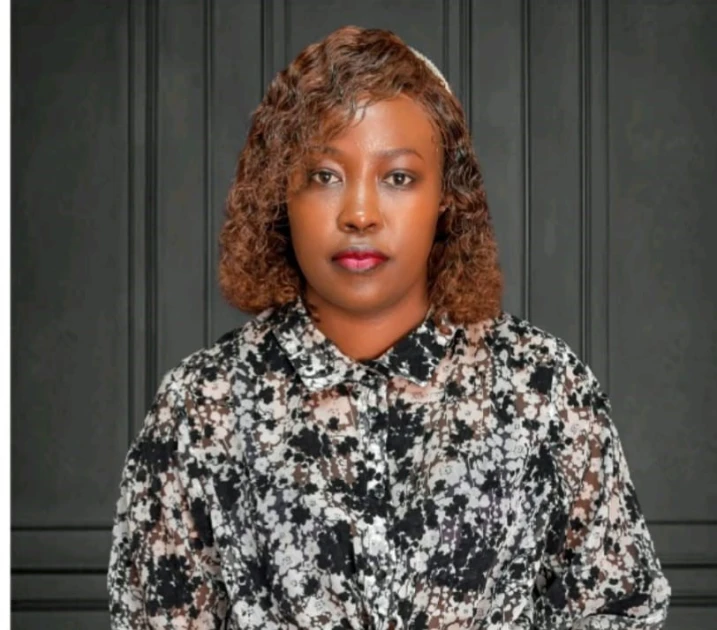
Beth Gakii Munyua. Photo / Courtesy

Audio By Vocalize
Looking back, Beth recalls that the signs of illness began years before she received a diagnosis. In 2016, a lecturer noticed that her palms had turned purple or bluish. She and her family initially attributed her symptoms to common illnesses such as malaria and typhoid.
Her condition worsened in September 2017, when she became so weak she could barely stand or walk. Despite several hospital visits and tests that revealed dangerously low levels of haemoglobin, platelets and white blood cells, the cause remained unclear. It was not until January 2018, following a referral to Kenyatta National Hospital, that further investigations led to a diagnosis of lupus.
“It was a shock. We didn't know how to deal with it or where to start," Beth recalls.
After months of uncertainty, however, the diagnosis brought some relief. She finally had an explanation for what she was experiencing and could begin treatment.
Hair loss and identity
In 2019, Beth noticed that her face and ears had become dark purple. She also began losing her hair. A referral to a dermatologist led to another diagnosis: discoid lupus erythematosus (DLE), a form of cutaneous lupus that affects the skin and can cause scarring and permanent hair loss.
For Beth, losing her hair was about more than her appearance. It meant losing a part of herself she had always taken pride in. The condition had damaged her hair follicles, leaving scars and areas where her hair might never grow back.
Wearing a wig or covering her head became part of everyday life. She has learned to step out confidently in a wig, but the loss still hurts. Watching other women braid or style their natural hair can remind her of something she once took for granted.
“When I wear my wig, I am the boss lady,” she says. “But deep down, behind the wig, there is a story to tell.”
She is learning to embrace herself while still missing her natural hair. Both feelings are part of her journey.
The cost of staying well
Living with lupus also comes with a financial burden. Regular consultations, laboratory tests and medication place pressure on Beth and her family. There have been times when she has gone without medication because she could not afford it.
Her experience highlights a challenge for people living with chronic illnesses: getting a diagnosis is only part of the journey. Access to affordable, continuous treatment remains essential to managing the condition.
Work, support and resilience
Despite these challenges, Beth continues to work in a hardware store, where some duties involve loading and offloading heavy goods. Although she cannot always manage the physical demands of the job, her colleagues have supported her.
Their understanding has helped her remain at work and feel valued, even when her illness is not immediately visible. Their support has made a difference in her ability to continue with her daily life without being defined by her condition.
Her family has also been a source of strength. Her parents and siblings have stood by her, encouraging and praying with her through difficult times. A cousin working in the medical field has also played an important role in helping her navigate the journey and rebuild her confidence.
Finding a community that understands
When Beth joined the Lupus Foundation of Africa (LFA), she found people who understood what living with lupus meant. She could talk about her fears, difficult days and small victories without having to explain every aspect of her experience.
That sense of belonging matters, particularly when living with a condition that many people know little about.
For LFA, Beth's experience reflects the importance of patient-led organizations in connecting people with shared experiences, providing reliable information and ensuring that the voices of those living with lupus are heard. These organizations also have an important role in raising public awareness and bringing patients' experiences to the attention of healthcare providers and policymakers.
But they cannot do this work alone. Greater awareness of lupus, access to affordable treatment and support for patient organizations are all part of improving life for people living with the condition.
Beth is now choosing to share her story in the hope that other young women facing similar challenges will feel less alone.
Her message to them is simple: take life one day at a time, be kind to yourself and do not push yourself beyond what you can manage. Difficult days are part of the journey, but they are not the whole story.
Beth's experience also carries a message for the wider public. People living with lupus may look well while dealing with pain, fatigue, treatment costs and other challenges that are not immediately apparent. They need understanding from the people around them, informed care from healthcare providers and workplaces willing to accommodate their needs.
With the right support, a lupus diagnosis does not have to mean giving up on work, relationships or personal ambitions.
Beth's life has changed in ways she never expected. She still carries the pain of losing her natural hair, but she is also a worker, a family member and a woman finding her confidence again. And behind the wig, she has a story she is ready to tell.
Join the Discussion
Share your perspective with the Citizen Digital community.
No comments yet
This discussion is waiting for your voice. Be the first to share your thoughts!