
Court of Appeal allows Ksh.204.3B Safaricom share sale to proceed
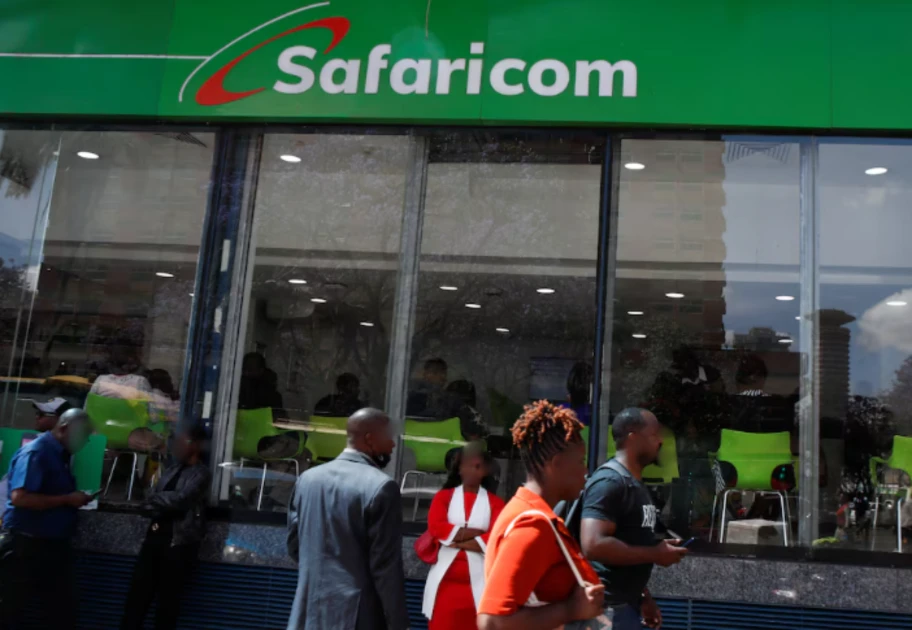
Pedestrians walk outside the Safaricom mobile phone customer care centre during the launch of its 5G internet service in the central business district of Nairobi, Kenya October 27, 2022. REUTERS

Audio By Vocalize
The High Court had suspended the multi-billion-shilling transaction pending the hearing and determination of a constitutional petition challenging the sale.
In a ruling delivered by a three-judge bench comprising Justices Patrick Kiage, Aggrey Muchelule and Lady Justice Lydia Achode, the appellate court found that the government had met the legal threshold required for the grant of a stay.
The judges further held that the government's appeal raises substantial legal issues that warrant full consideration and that public interest considerations favoured lifting the suspension.
As a result, the government's planned disposal of the 15 per cent stake in Safaricom can now proceed.
The government intends to sell the stake to South African telecommunications company Vodacom in a transaction valued at approximately Ksh.204.3 billion.
If completed, the National Treasury's shareholding in the telecommunications giant will reduce from 35 per cent to 20 per cent. Vodacom had agreed to acquire the shares at Ksh.34 per share.
On May 18, 2026, the High Court issued conservatory orders blocking the transaction after petitioners moved to court challenging the sale.
The petitioners, led by Tony Gachoka and Fredrick Ogola, argued that the proposed sale price significantly undervalued the shares, which they estimated to be worth between Ksh.70 and Ksh.80 per share.
They further contended that the government was seeking to transfer a strategic public asset without complying with constitutional requirements on transparency, public participation and accountability.
The High Court subsequently froze the sale pending the hearing and determination of the petition, prompting the government to appeal the decision.
However, in its ruling, the Court of Appeal clarified that it was not determining the legality of the proposed sale itself.
On whether failure to stay the conservatory orders would render the intended appeal nugatory, the judges held that it would.
The court was persuaded that the consequences of the challenged sale, even if completed before the constitutional petition is determined, would not be irreversible.
The judges noted that Safaricom shares would remain capable of being restored to the relevant parties, with appropriate refunds being made should that ultimately be ordered by the court.
Join the Discussion
Share your perspective with the Citizen Digital community.
No comments yet
This discussion is waiting for your voice. Be the first to share your thoughts!